Weatherproofing a century-old house in Toronto

We bought our house in northwest Toronto just before the COVID-19 lockdown began in 2020. It was over 100 years old, of brick construction, two stories with four bedrooms, plus a finished basement. We wanted an older house we could restore to period character.
| Location | NW Toronto | Design Temperature | -20 C |
| Year Built | 1918 | Size | 2000 ft2, 2 stories + finished basement, detached |
| Construction | Brick, lath & plaster walls | Heating / cooling | Forced air |
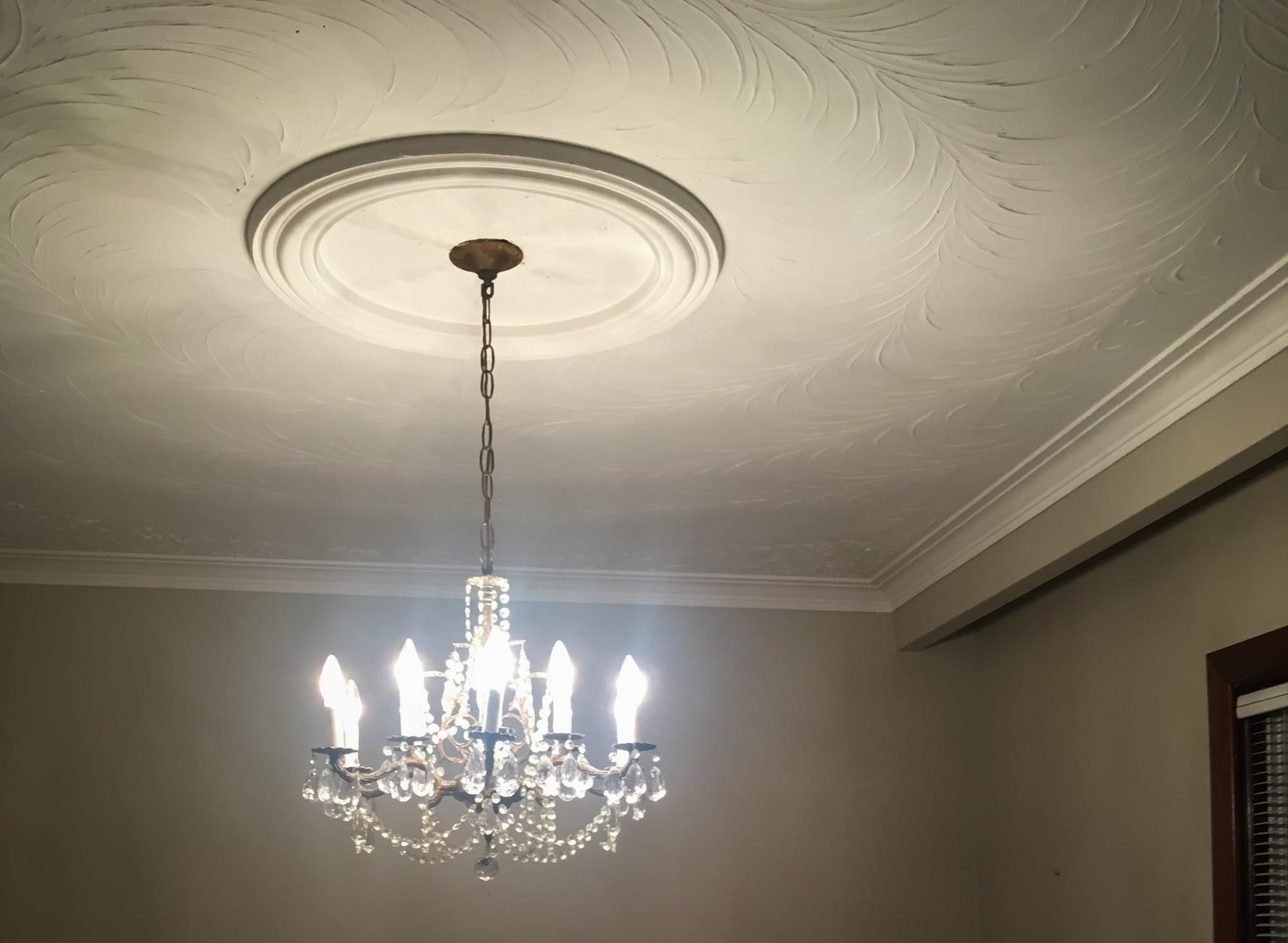
Because it’s such an old house, the interior walls are made of lath and plaster. We knew that the windows would need to be replaced soon, and we knew that the roof didn’t have more than 5 or 10 years to live. We knew that there was some water damage in the dining room ceiling on the ground floor, but we couldn't get the full story of how that happened. The realtor insisted that the problem had been fixed. We would learn that there were more water intrusion problems than we expected, and waterproofing concerns would later influence our insulation choices.
We knew that the house could not be well insulated but I didn't prioritize an energy audit for its own sake. We thought our biggest problem would be keeping all areas of the house at a comfortable temperature. What we didn’t realize is that double-digit percentages of the energy we bought to heat the house were just being wasted.
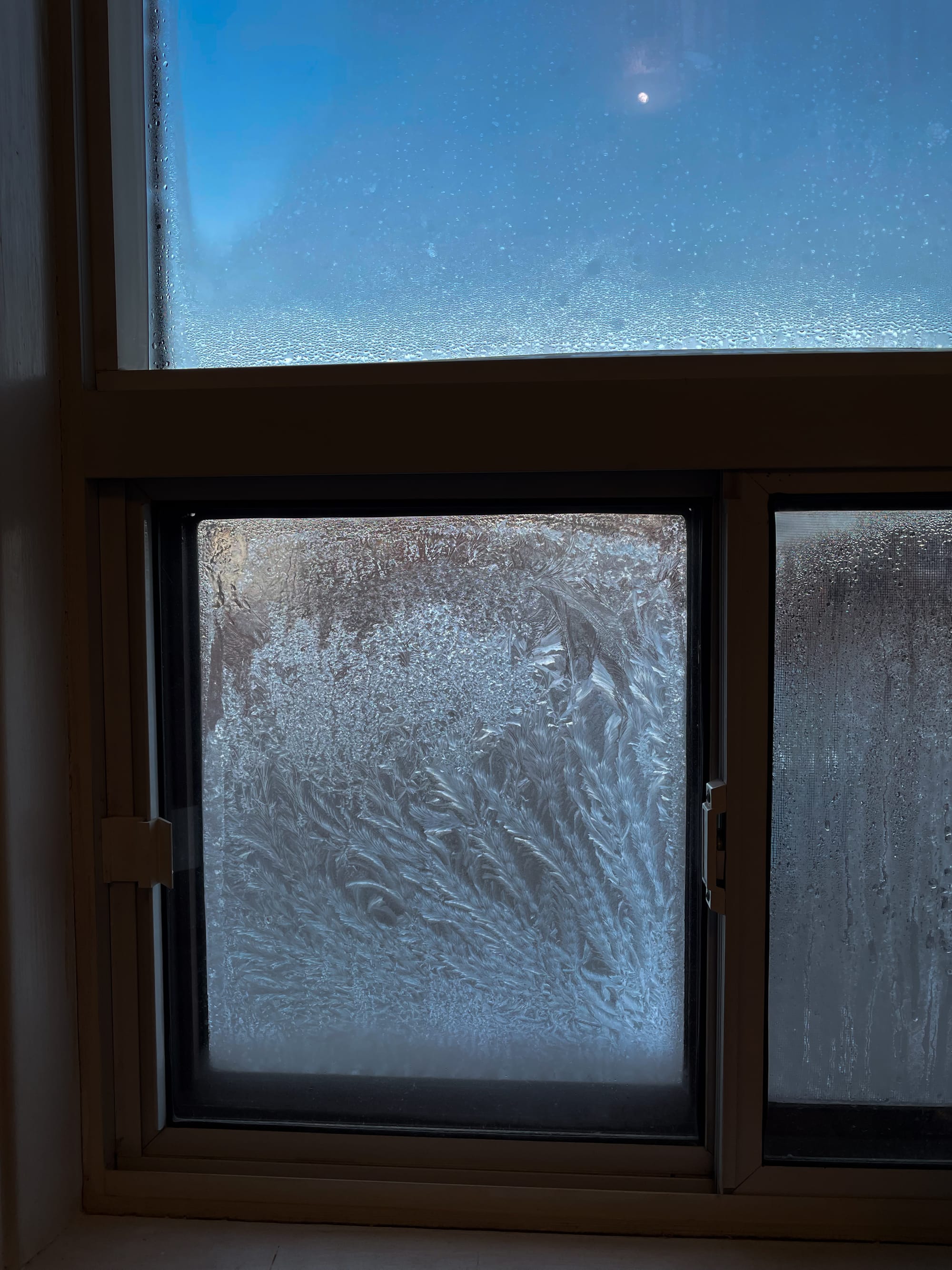
We did get an energy audit in order to take advantage of home efficiency rebates. We hired an auditor to perform a blower door test and provide a report. My wife was present for the testing, and she was surprised by the volume of air that flowed around the frames of the largest windows. We knew they were old, and the seals had dried and cracked, meaning that there could no longer be gas between the panes providing insulation. We sometimes saw condensation between the panes. So we knew the windows were bad, and the report confirmed it, but we still didn't do anything to address that, because we were already planning to replace them. But this would take years, and we really should have done some basic caulking and sealing where we could in the meantime.
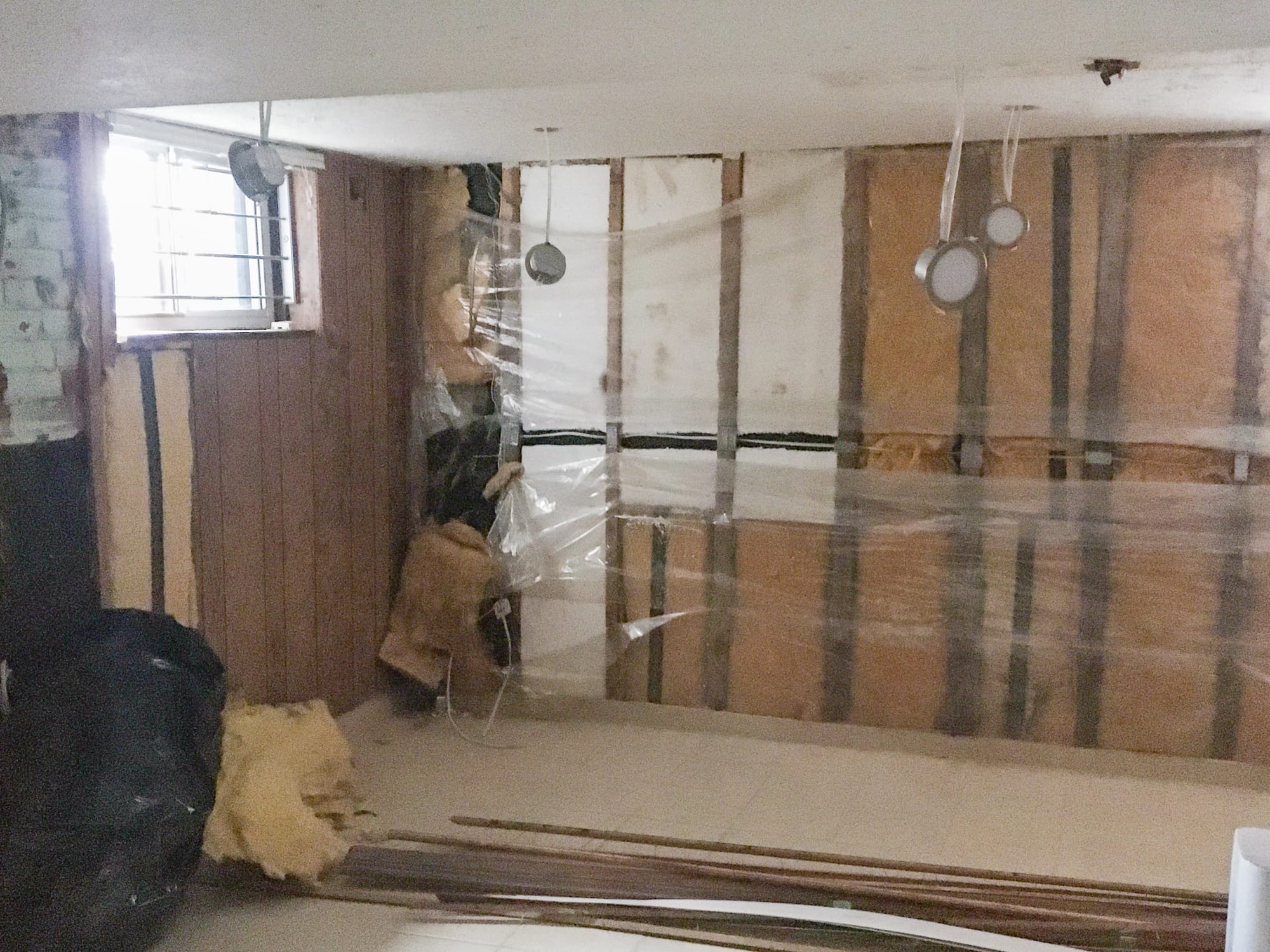
Another problem area surfaced by the report was the basement. The basement walls were minimally insulated and only a little under 2/3 underground. We knew there were some points of water intrusion we'd have to deal with (we didn't know we'd end up redoing the waterproofing on all four sides of the house).
The third problem area was the first and second floor external walls. They were brick with lath and plaster, and the plaster itself has a tendency to resist heating and cooling. But behind it there is practically no room for insulation. This is a problem we still have not addressed. It seems like there are two options. One is to reframe all of the interior walls, losing all of the old plaster and making all of our rooms smaller. Not great. The other is to build out from the brick on the outside, but on top of really changing the aesthetics of the house and costing a great deal, it would make the extremely narrow driveway we share with our neighbours unusable and put a lot of new load on the old brick. Neither of these really seemed like a realistic option so this remains unaddressed.
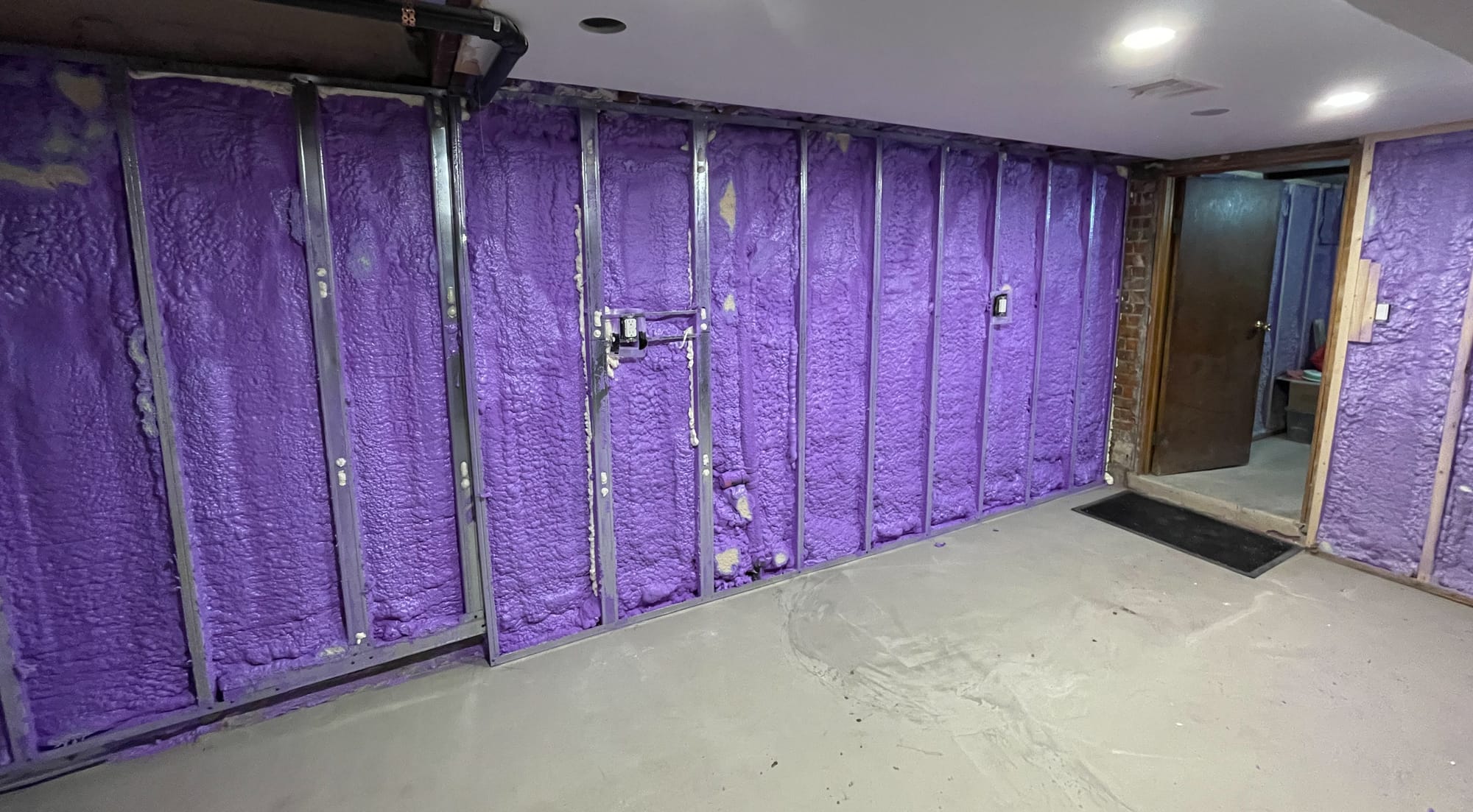
What we did do is reframe the basement and replace the attic insulation. We decided we wanted spray foam for both since we'd had water intrusion problems in both areas. Arranging a spray foam insulation is a pretty big deal, so we set it up to all be done at once. The installers told us we’d need to leave the house for one day and night to avoid breathing the gasses the foam gave off while curing, but we decided to leave for three days to be safe. With the basement framing exposed, we had the foam installers spray foam up into the ends of the first floor joists. We also had a significant amount of cellulose insulation blown into the attic on top of the foam.
All of this was expensive (close to $10K CAD overall) but effective, and we achieved R60 in the attic and R20 in the basement, along with additional protection from water intrusion.
Upstairs, we hoped that improving the attic insulation would make the bedrooms less hot, but it didn't really help. The bedrooms were still noticeably and uncomfortably warmer than the ground floor. To make progress on this we'd have to later improve the insulation of the east-facing dormer (by adding external insulation when replacing the siding) and replace the windows, both because the old windows didn't insulate well, and because we couldn't open them very much for circulation.
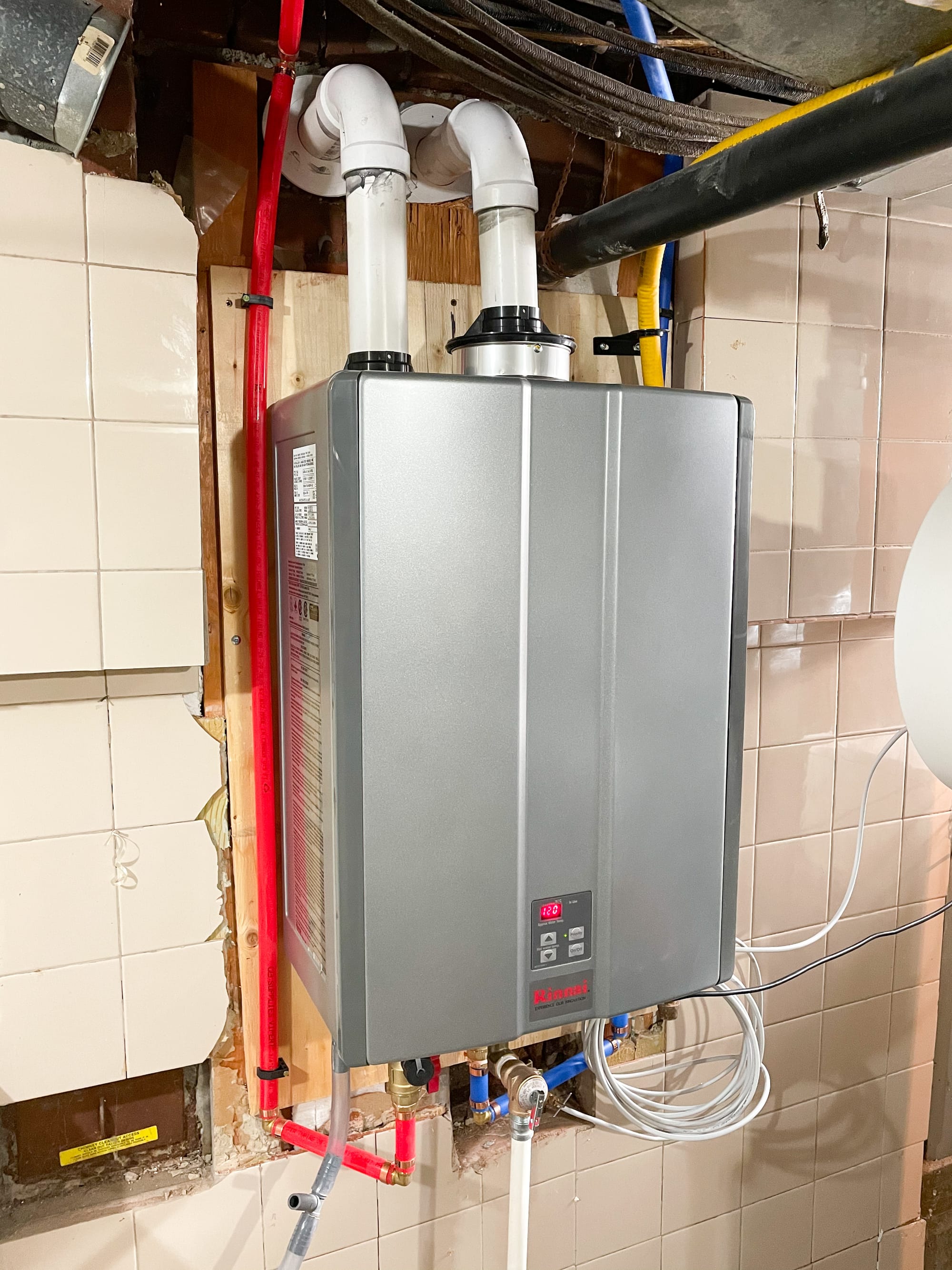
Interestingly, the first energy audit specifically recommended replacing our resistive electric water heater with a tankless gas-fired water heater for energy efficiency. We did this and I regret it. I wish I'd considered a hybrid heat pump water heater instead and not added a new major gas appliance. I'll write more on this later.
The first audit gave us a terrible EnerGuide rating of 198 which we've since dramatically improved. Through the insulation improvements and other projects we reduced our rating by 46% by 2023! So overall we've been able to make very significant improvements even in a very old brick house. I'll write about some of the other improvements we've made in future posts.